Asymmetric Threats and Uncertain Security in Iraqi Kurdistan
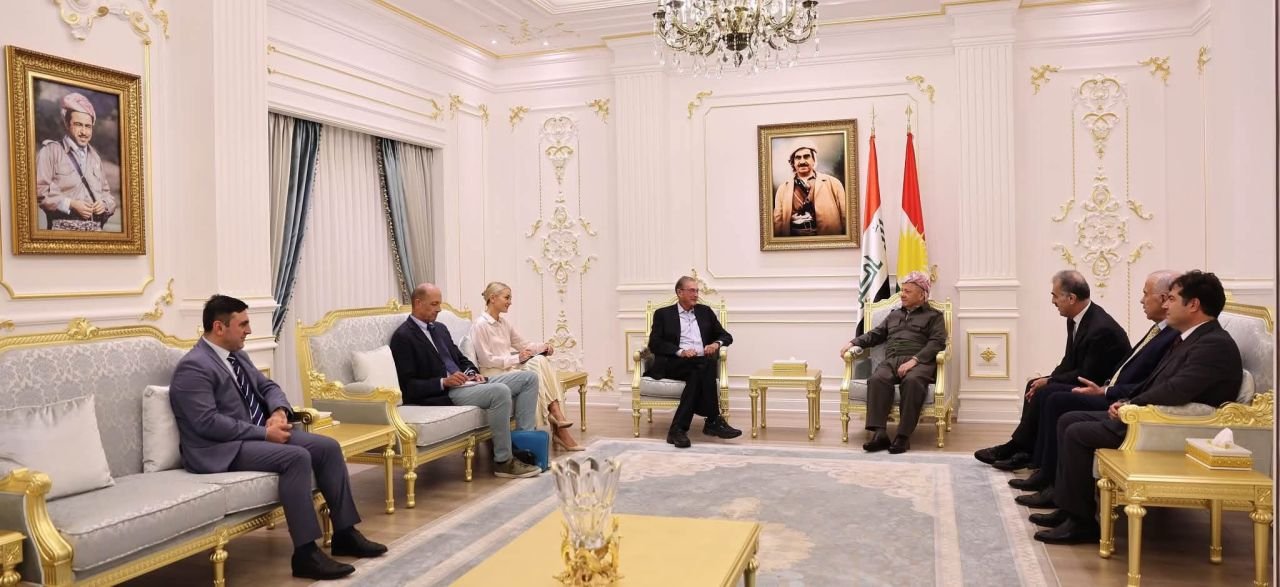
As the final US-led anti-ISIS coalition forces departed, St James' Foreign Policy Group CEO Aliona Hlivco visited Iraq’s self-governing region of Kurdistan.
The withdrawal marks a critical turning point for Erbil, where heavy investment in the Peshmerga counter-terrorism forces and long-standing reliance on Western security partnerships are now tested by mounting regional instability. Amid widespread apprehension of an ISIS resurgence reminiscent of 2014, senior Kurdish leadership has reaffirmed its resolve to resist renewed militant activity, despite a rapidly deteriorating security context.
Beyond the threat of violent extremism, the region faces escalating airborne strikes from Iran and Iran-backed militias. The withdrawal of Western personnel and air-defence hardware leaves significant operational gaps that neither regional forces nor the federal government in Baghdad can easily remedy. This capability deficit stands in stark contrast to Ukraine, which has developed extensive counter-drone expertise, detection systems, and electronic warfare infrastructure under relentless operational pressure. In Iraq and Kurdistan, the absence of comparable systems at scale leaves critical infrastructure exposed to low-cost, asymmetric aerial attacks.
These tactical vulnerabilities are compounded by persistent political friction between Erbil and Baghdad, occurring even as the Kurdistan Regional Government seeks pragmatic engagement with neighbours including Türkiye and Syria. Ultimately, the conclusion of the coalition's mission creates a dangerous strategic vacuum across the region. As ISIS seeks to exploit security fissures and Iranian-aligned armed groups expand their political and military influence, the region confronts an increasingly volatile horizon with profound implications for broader international security.