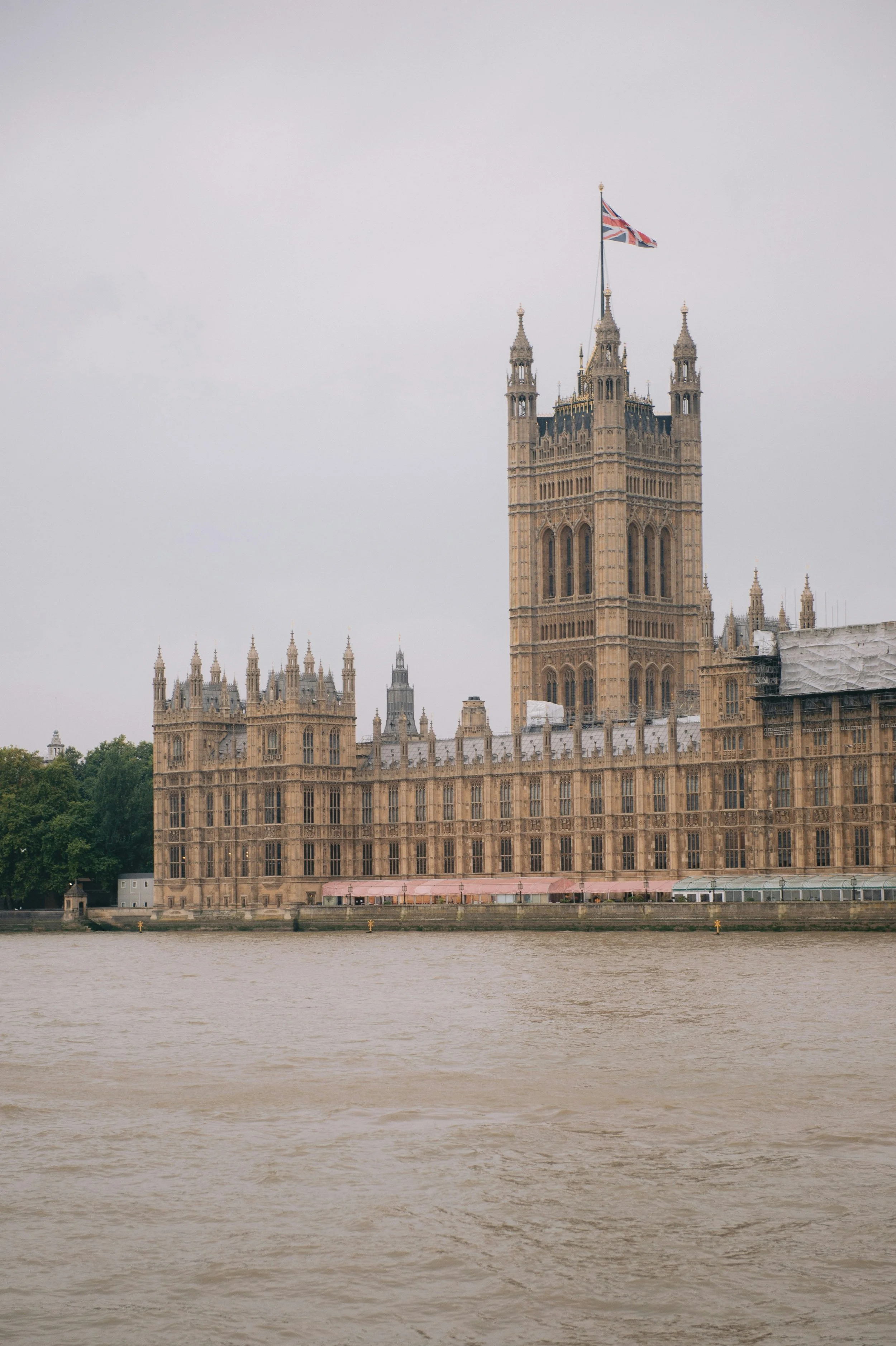
Photo by The Now Time
The opening months of 2026 have seen a sharp intensification of geopolitical uncertainty for Europe and the transatlantic alliance. Alongside renewed controversy over Greenland’s status, the international system is now grappling with a rapidly escalating confrontation between the United States and Iran. What began as U.S.–Israeli strikes has expanded into wider military engagement, including retaliatory missile and drone attacks across the Middle East, disruption to energy markets and shipping routes, and heightened alert levels among NATO allies. These developments form the backdrop to a broader strain on alliance cohesion and norms around sovereignty.
Within this context, U.S. President Donald Trump has continued to revive and reaffirm his ambition for U.S. control over Greenland, framing the issue as a strategic necessity for American security interests in the Arctic. While rhetoric has occasionally softened in public forums, the underlying position has remained unchanged, with economic pressure and implicit threats continuing to shape the debate. Denmark and the Greenlandic authorities have responded unequivocally, reiterating that Greenland is not for sale and that its future can only be determined by its people.
The UK government has, to date, continued to emphasise dialogue, cooperation, and alliance unity. Ministers have reiterated commitments to working constructively with partners and allies, reflecting a desire to manage tensions with Washington during a volatile political moment. Yet when the territorial integrity of a NATO ally is openly questioned by another member, ambiguity itself becomes a strategic signal. In such circumstances, restraint risks being interpreted not as diplomacy, but as hesitation.
The longer-term implications for NATO are significant. The alliance’s credibility rests not only on treaty obligations, but on visible political resolve. If leading European states appear reluctant to articulate clear support for an ally facing coercive pressure, questions inevitably arise about the reliability of collective defence in practice. Greenland’s role within the North Atlantic and Arctic security architecture, particularly its importance to early-warning systems and the Greenland–Iceland–UK gap, only heightens the stakes.
These pressures are compounded by wider strains in the U.S.–UK relationship. President Trump has publicly criticised Prime Minister Sir Keir Starmer over the UK’s refusal to permit the use of British bases for offensive strikes against Iran, dismissing the government’s position as weak and insufficiently supportive. The Prime Minister, in turn, has defended the UK’s stance as one grounded in national interest, legal clarity, and strategic caution, prioritising the protection of British citizens and regional stability over escalation. This divergence has exposed a growing tension between alliance solidarity and independent strategic judgment.
For the UK, this moment underscores a broader structural challenge. Britain remains deeply reliant on the United States across defence capabilities, intelligence sharing, and advanced technologies. These dependencies increasingly function as levers of influence. A failure to articulate clear positions on issues such as Greenland risks reinforcing a pattern in which strategic ambiguity is mistaken for acquiescence, encouraging further pressure on British decision-making across other theatres.
None of this implies a need for military escalation over Greenland or uncritical alignment in the Middle East. The UK retains a range of proportionate and credible tools, including explicit diplomatic alignment with Denmark, closer coordination with Nordic and European partners on Arctic and North Atlantic security, parliamentary reaffirmation of sovereignty and alliance principles, and clearer public articulation of the conditions under which British military support is provided. Such measures would impose limited cost while restoring strategic clarity.
Greenland may appear geographically distant, but the precedent at stake is not. At a time when norms around territorial integrity are under strain from Eastern Europe to the Arctic and the Middle East, words without clarity are insufficient. The United Kingdom must decide whether it is content to manage uncertainty, or whether it is prepared to help resolve it. For Britain’s credibility, for NATO’s cohesion, and for the stability of the transatlantic security order, clarity remains the safer course.
This piece was written by Matthew Horvitz, an intern at the St. James’s Foreign Policy Group
