Civil Preparedness, Strategic Realignment, and the Changing Indo-Pacific
St James' Foreign Policy Group Founder and CEO Aliona Hlivco recently joined The Monocle Daily to analyse a series of interconnected security, strategic, and governance themes currently shaping the rapidly shifting Indo-Pacific landscape.
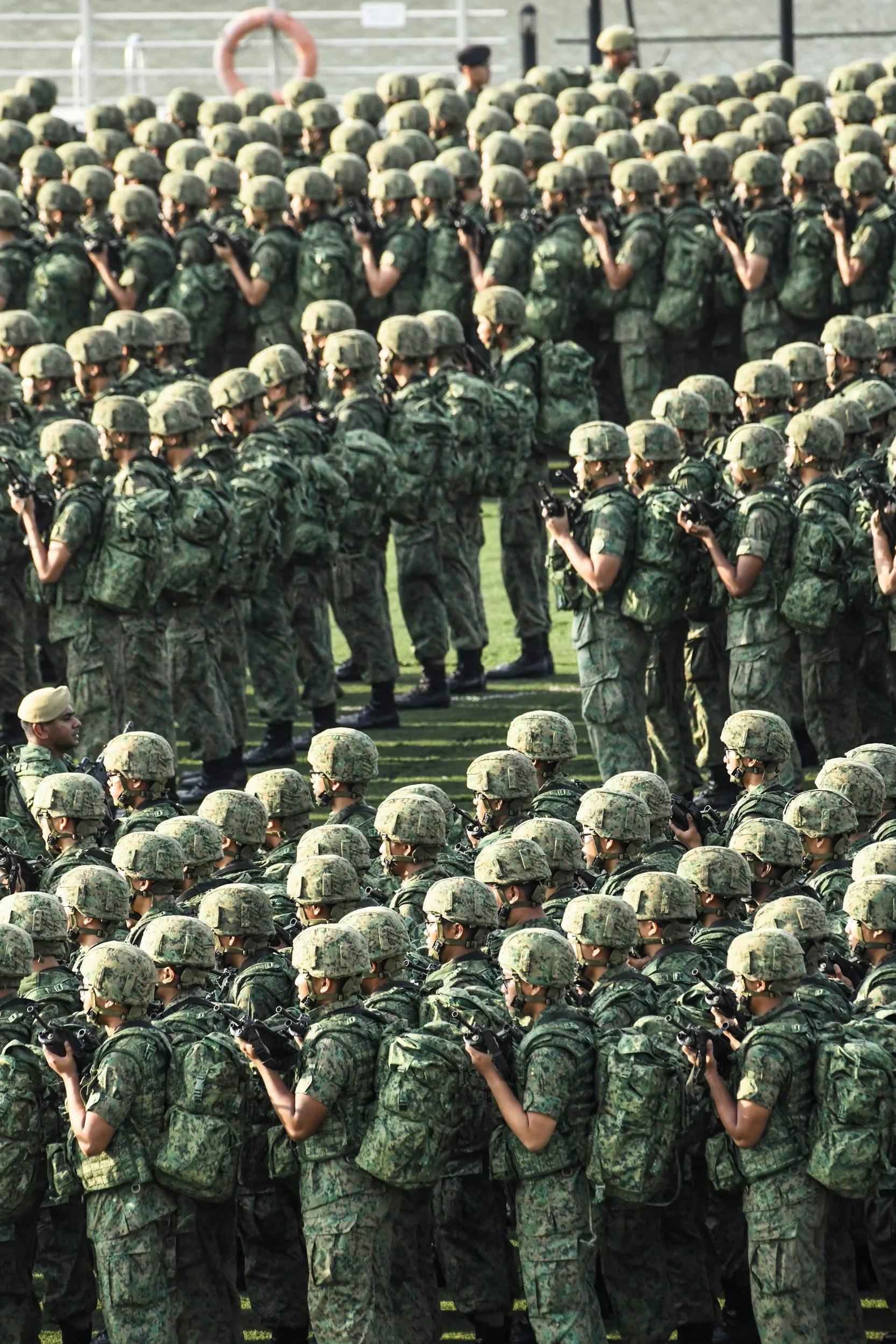
A central thread of the conversation was the imperative of whole-of-society resilience in an era dominated by hybrid and asymmetric threats. Examining Taiwan’s latest national defence exercises, the discussion focused on Taipei’s deliberate efforts to test public preparedness under conditions of severely restricted internet connectivity and digital blackouts. Modern conflict increasingly targets critical civilian infrastructure, from undersea communications cables to municipal power grids, making civic endurance as vital to national security as conventional armed capabilities. Building societal readiness requires clear emergency communication channels, decentralized local governance, and a populace trained to maintain economic and social continuity when primary digital infrastructure fails.
This emphasis on domestic preparedness intersects directly with larger regional force movements and strategic realignments, particularly in Japan. As Tokyo updates its defence framework through its latest Defence White Paper and ongoing security reviews, East Asia is witnessing a profound shift in deterrence posture. In response to mounting multi-axis threats across the Taiwan Strait and East China Sea, regional powers are accelerating defence spending, deepening intelligence-sharing alliances, and adapting constitutional frameworks to reflect new strategic realities.
Beyond high-level military deterrence, national strength relies heavily on municipal adaptability and institutional governance. Touchpoints such as Seoul’s innovative urban planning initiatives highlight how global hubs must continuously adjust their policy frameworks to serve evolving civic, economic, and security environments. Ultimately, maintaining stability across the Indo-Pacific demands a multi-tiered strategy that bridges high-level defence alliances, resilient municipal governance, and a well-prepared citizenry capable of enduring modern security pressures.
Listen to the full episode and analysis at the Monocle Daily