
Frontline Adaptation: the changing face of warfare Eastern Ukraine
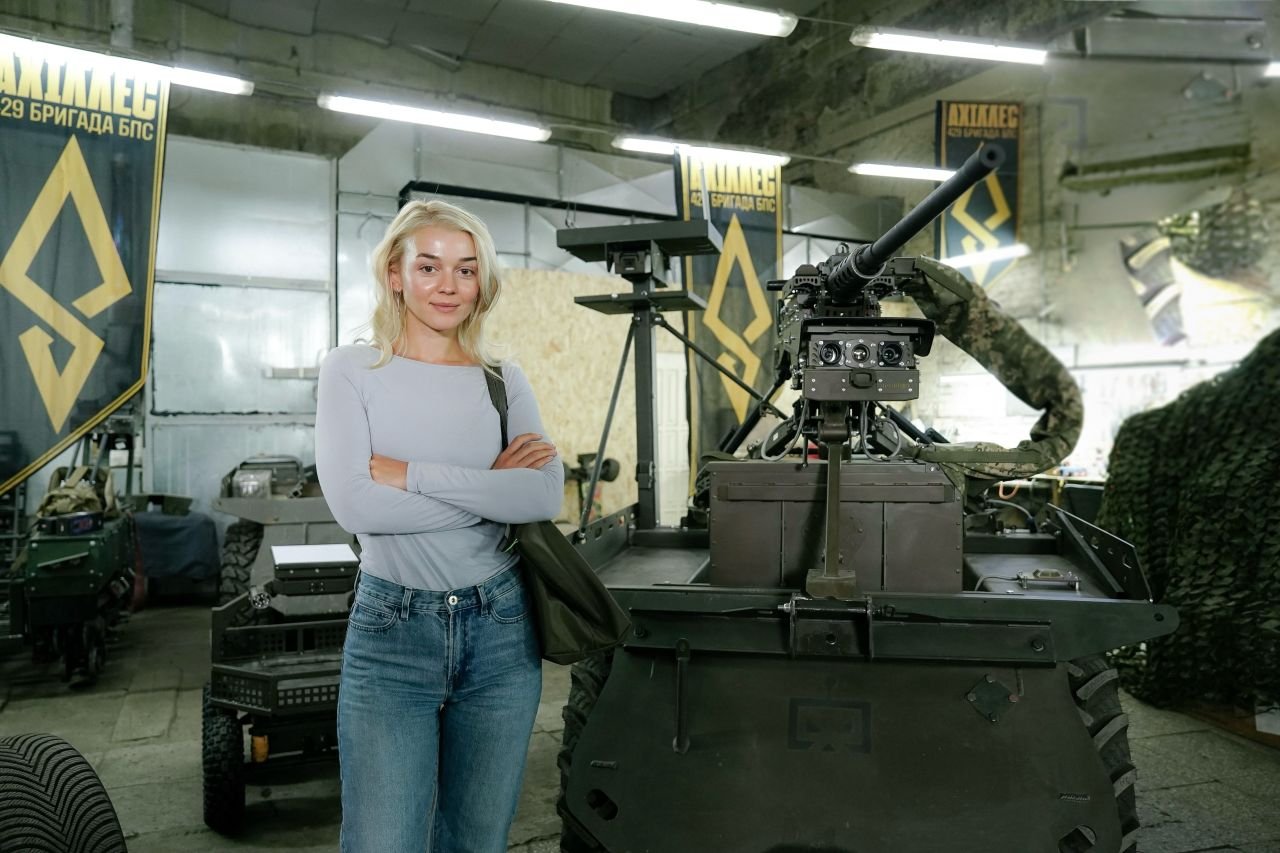
During a recent visit to the Achilles and Khartia brigades in Eastern Ukraine, St James' Foreign Policy Group CEO Aliona Hlivco observed how high-intensity combat is reshaping military organisation from the ground up. Beyond combining infantry, artillery, reconnaissance, and strike drones, these formations are evolving into self-contained units with their own operational hierarchies, technical assets, and independent fundraising strategies. This decentralised model allows individual brigades to react and adapt far faster than traditional top-down military structures allow.
The trip highlighted an extraordinary compression of the technology modification cycle. At forward headquarters near the contact line, damaged aerial drones are repaired, upgraded, and returned to battle within hours. Rather than waiting for rear-factory overhauls, field laboratories make hardware and software adjustments on the spot within two to three days, feeding operational data back to manufacturers later. Concurrently, the integration of artificial intelligence across reconnaissance and targeting has dramatically accelerated decision-making on the battlefield.
These observations offer critical lessons for Western defence strategy. Ukraine is not simply deploying new weapons; it is building a dynamic, highly responsive military doctrine forged under relentless pressure. As European nations seek to modernise their own forces, understanding these frontline adaptations - where technological iteration, field autonomy, and rapid repair intersect - will be vital for future continental security.